


City Has Less Than 15% Funding Remaining To Help Philly Landlords
The latest numbers from the city’s Covid-19 Emergency Rental Assistance Dashboard (week ending September 3, 2021) show that less than 15% of Phase 4 money remains to help Philadelphia landlords. The city has already advised those who received previous funding to no longer apply for the remaining funds. What’s worse: of the more than 14,000 applications still pending, there is only enough funding to assist about 2,511 applicants, about 18% of those waiting.

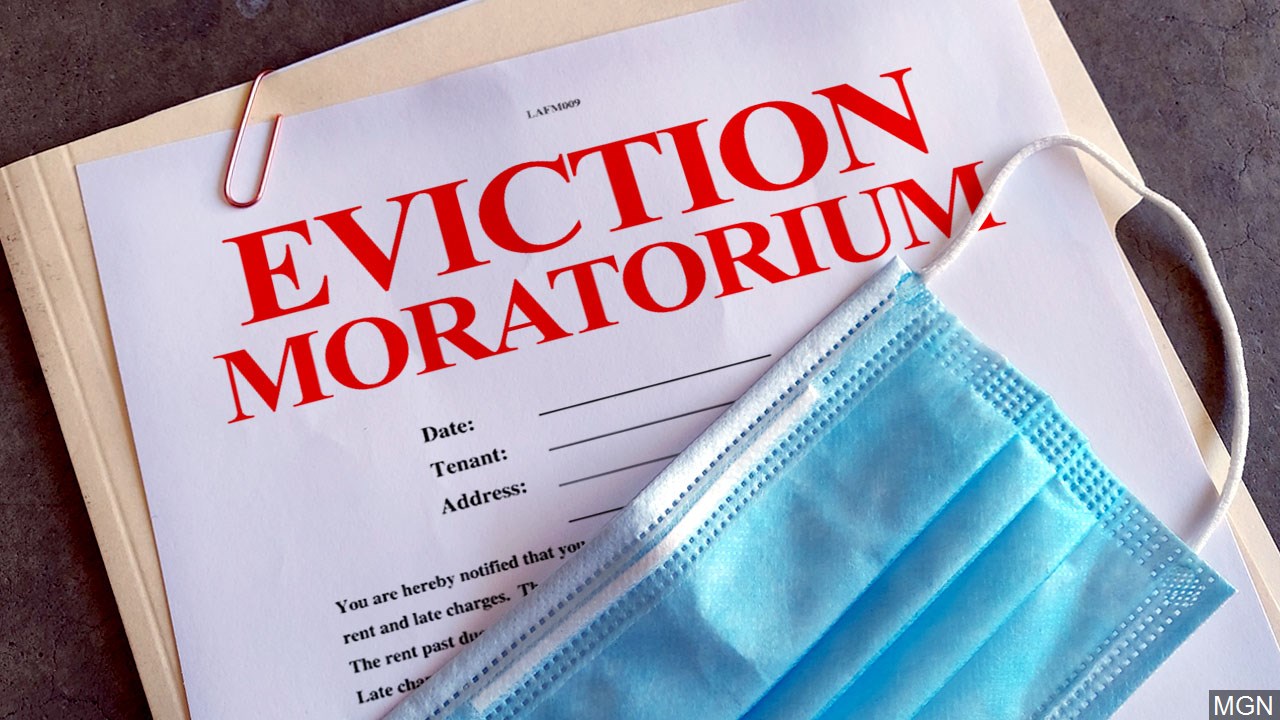
PA Lawmakers Push to Extend Eviction Moratorium
Just days after the U.S. Supreme Court struck down the CDC's nationwide eviction moratorium, we're hearing about a push in both the Pennsylvania House and Senate to potentially extend it.
Three House Democrats, including two from Philadelphia, will introduce new legislation to keep tenants in their rental units by requiring landlords to jump through more hoops before evicting.
Meanwhile, some state Democratic Senators are also looking to extend the moratorium.
Landlords, of course, continue to take a financial beating, and a letter from the Pennsylvania Apartment Association to PA Supreme Court Chief Justice Max Baer explains why any attempt to extend the moratorium would be disastrous not only to landlords but to the diminishing supply of affordable housing across the state.

BREAKING: U.S. Supreme Court Blocks Eviction Moratorium
On Thursday night, the U.S. Supreme Court, in a 6-3 decision, blocked the national eviction moraorium issued by the Centers for Disease Control and Prevention, saying the moratorium "has put ... millions of landlords across the country at risk of irreparable harm by depriving them of rent payments with no guarantee of eventual recovery."

Philadelphia reporters are reaching out to HP for comment today. And reaction is pouring in, including from the White House.
Stay with hapcophiladelphia.com for more news on the ruling and the impact it will have on Philadelphia investment property owners.
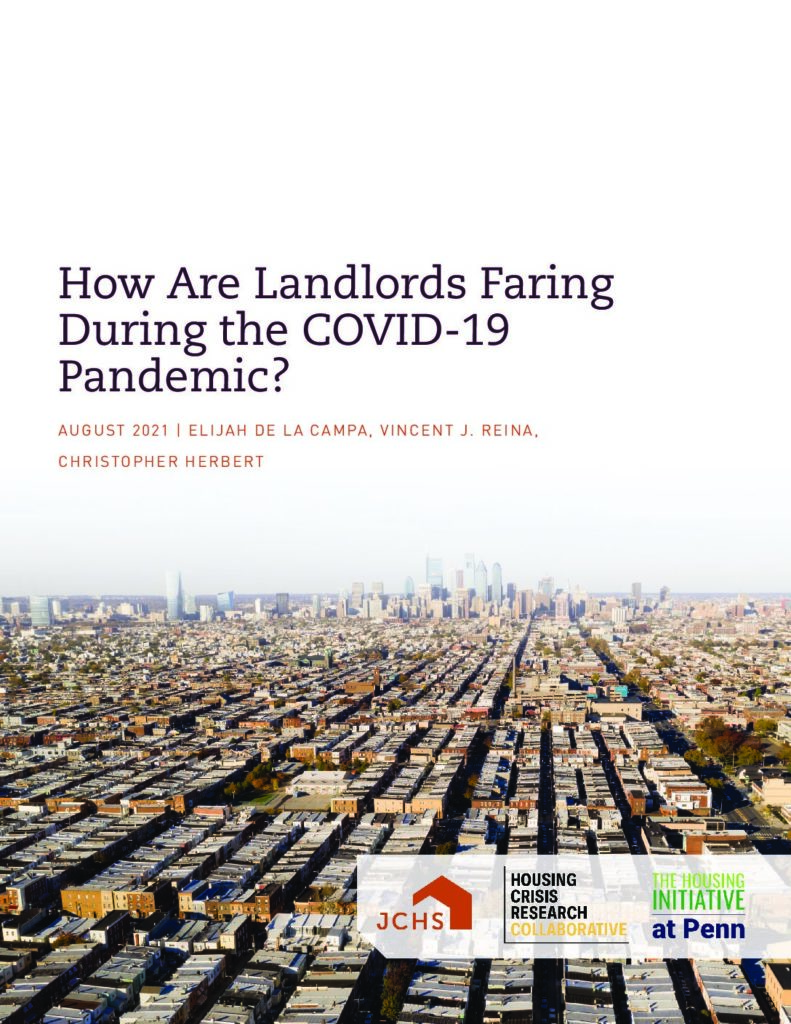
New Harvard University Study Reveals Landlords' Plight in 2020
The study is based on a survey of more than 2,500 rental property owners, including those in Philadelphia.
A new August, 2021 study authored by Harvard University that includes research by an associate professor at the University of Pennsylvania finds what Hapco Philadelphia members already know: many landlords across the country are in dire financial straits.
Among the findings:
- The share of landlords collecting 90 percent or more of yearly rent fell 30 percent from 2019 to 2020.
- Ten percent of all landlords collected less than half of their yearly rent in 2020, with smaller landlords (1-5 units) most likely to have tenants deeply behind on rental payments.
- While instances of severe non-payment grew the most for mid-sized owners, small owners had the highest exposure to deep tenant arrears because they were more likely to face this challenge prior to the pandemic.
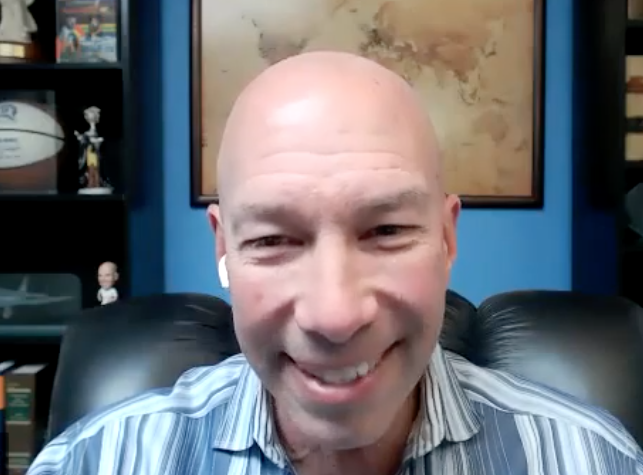
Watch: HP Attorneys Discuss Eviction Moratorium & What Philly Landlords Need to Know
The Eviction Moratorium is Extended. What Now? (Video recorded August 16, 2021. Information subject to change without notice.)
If the ever-changing rules on eviction have you dazed and confused, you’re in great company. And that may be exactly how the government wants it.
It’s not easy being a landlord these days, and the City of Philadelphia certainly isn’t helping. So let’s review what we know. And remember that information often changes daily, so keep checking the Hapco Philadelphia website for regular updates.
First, let’s look at where we are. The Centers for Disease Control and Prevention extended the national eviction moratorium, which was supposed to end on July 31st. As we now approach September, it should be over. The Biden Administration previously said it had no authority to extend the moratorium, and the U.S. Supreme Court, while upholding it, only did so with the understanding that it would not be extended beyond July 31st. But alas, the CDC extended it anyway, and here we are. Back to court it went, and the same federal judge who earlier ruled the moratorium unconstitutional is now keeping it alive because of the Supreme Court’s earlier decision. Yes, this will go back to the U.S. Supreme Court, and yes, it will likely be struck down. But when? “It’s going to work its way to the Supreme Court. The only question we have right now is how long that is going to take. Do I think it will get overturned? Yes. Do I know when? No,” said Paul Cohen, Hapco Philadelphia’s attorney. In the meantime, as the extension runs until October 3rd, the clock continues to tick and landlords continue to be held hostage.
If you’re owed money and you haven’t received emergency rental assistance from the city, what should you do? For starters, we suggest you watch Hapco Philadelphia’s Town Hall virtual meeting with attorneys Paul Cohen and Kenneth Baritz, recorded August 16th. (See below.) But here are some highlights:
- If you rent a so-called “covered property”, which is a HCV property or is mortgaged through Fanny Mae or Freddie Mac, you must still give a Notice to Quit before filing an action to evict, under the CARES Act.
- You can still file an eviction complaint, go to court, and get a judgment against the tenant, but you can’t lock the tenant out during the CDC order. Still, the best advice is to start the process immediately.
- The City of Philadelphia’s Emergency Housing Protections Act requires that before a landlord file an eviction case, tenants must be notified of their rights. The landlord must also file for rental assistance, then wait 45 days before filing an eviction complaint. The problem is that funds for rental assistance are about to run out. As of Mid-August, there were more than 47,000 applications for assistance, with about 10,000 approved and funded. Thousands more are still under review. And the $135 million pot is expected to run dry in September, leaving many qualifying landlords empty-handed unless new money is appropriated. Still, landlords must apply before filing an eviction case, even with the money soon gone. “Why? Because (the government) wants to put (evictions) off as long as they can,” Cohen says. The city also recently ordered that if a rental assistance application is “completed”, a tenant cannot be evicted. But it’s unclear if applications under review are considered “completed”. And it doesn’t make much sense to apply and wait for money that you won’t get. But for now, that’s the law.
- If a Writ of Possession was served prior to May 1, 2021, you must notify the landlord-tenant officer and pay another $45 for the Writ of Possession to be re-served. Then you can proceed with the alias writ. But remember, this remains on hold while the CDC’s eviction moratorium is in place or a “completed” rental assistance application is pending. “The court is taking the position that these people need to be re-notified that they’re about to get locked out. That’s bizarre, but that’s what it is,” says Attorney Kenneth Baritz. “Every single thing that they’re doing, they’ve tried to make it as confusing or anything but succinct so that we would understand what it is. And I believe all of this is intentional. They want to muddy the waters so we don’t know which way is up.
They’re certainly doing that. To learn more, watch the full Town Hall meeting below.
PA Supreme Court Orders Eviction Delay in Bucks; Other Counties to Likely Follow
Aimed at protecting tenants who await Emergency Rental Assistance money, the State Supreme Court approved a Bucks County request to pause these eviction cases for up to 60 days.
This will likely open the door for courts in other counties across the state to also pause evictions for tenants who have applied for, but have not yet received, funding to pay landlords backrent.
For now, the ruling may largely prove unnecessary, as the Centers for Disease Control and Prevention again placed a 60-day moratorium on evictions Tuesday in counties with significant COVID cases, which includes Philadelphia, Bucks, Montgomery, and Delaware Counties.
In Philadelphia, landlords must apply for rental assistance and complete mediation before filing an eviction. The problem is that landlords must get the approval of tenants in order to apply for funding and not all tenants are cooperating.
The available money to help tenants and landlords is moving at a trickle. Pennsylvania had more than $133 million dollars available at the end of June, but less than 20% had been spent.
Landlords who are owed backrent because of their tenants' COVID-related hardships are encouraged to immediately apply for Emergency Rental Assistance at phlrentassist.org.