
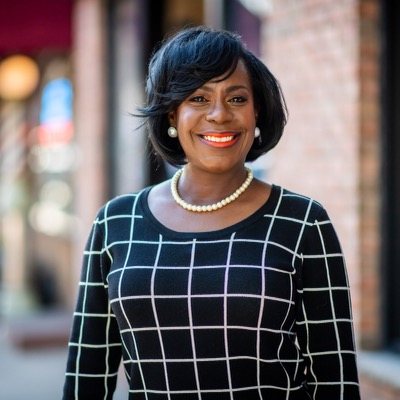
Mayor Parker, Elected Officials & 200+ Housing Professionals: Will You Be There?
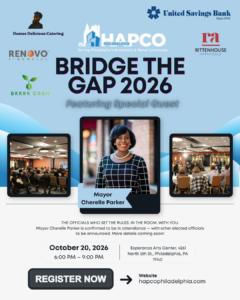
Are You Attending Bridge the Gap 2026?
Philadelphia’s housing community is coming together on October 20. Will you be there?
HAPCO Philadelphia’s annual Bridge the Gap 2026 is just around the corner, bringing together Philadelphia housing providers, real estate professionals, investors, community leaders, elected officials, and other members of the housing community.
This year’s event will feature Mayor Cherelle Parker, Sheriff Rochelle Bilal, elected officials, networking, food and beverages, and important conversations about the issues affecting Philadelphia’s housing community.
And we’ve added something new.
Before networking begins, join us from 5–6 PM for a live, in-person Safe Healthy Homes Workshop with HAPCO General Counsel Paul Cohen, Esq. The new regulations take effect November 1, just 12 days after Bridge the Gap, making this a timely opportunity to learn what you need to know and prepare for the changes.
Then, from 6–7 PM, network with fellow housing professionals before the main Bridge the Gap program begins.
Bridge the Gap 2026
📅 Tuesday, October 20
📍 Esperanza Arts Center
⏰ Workshop: 5–6 PM | Networking: 6–7 PM | Main event follows
If you haven’t registered yet, now is the time.
THANK YOU TO OUR SPONSORS!





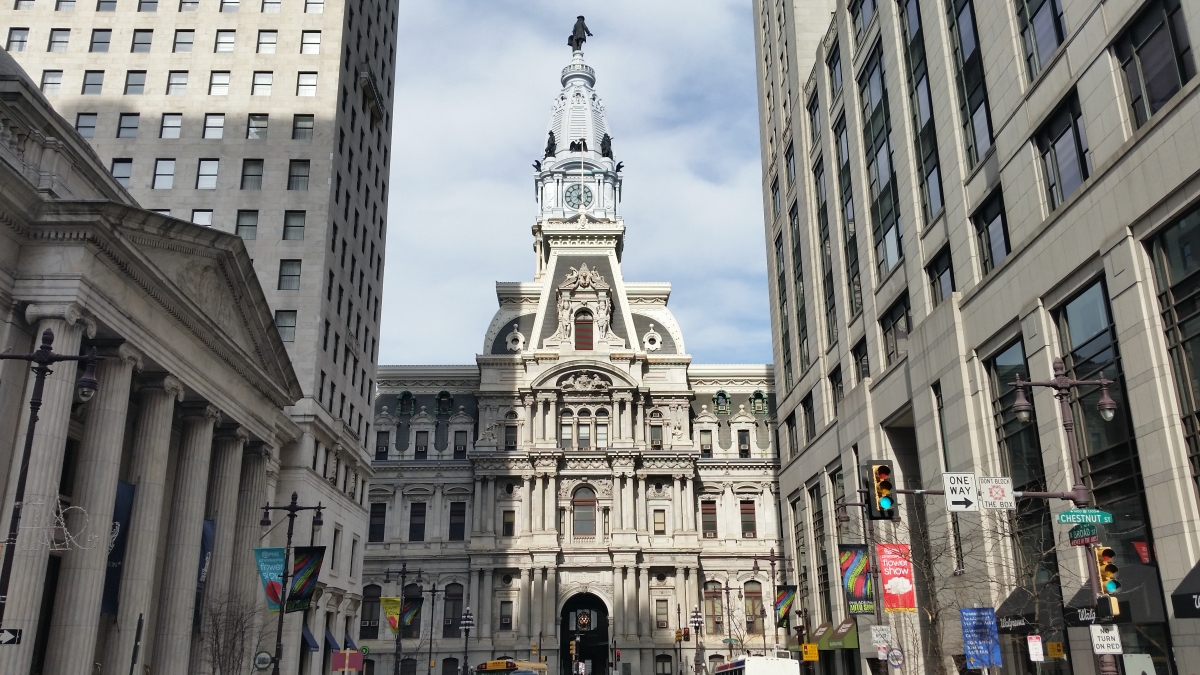
Philadelphia City Council May Consider Legislation on Rental Fees
Philadelphia City Council may consider legislation that would restrict certain fees charged to renters beyond monthly rent, including fees for services and shared amenities. The legislation has not yet been introduced, so details are still developing.
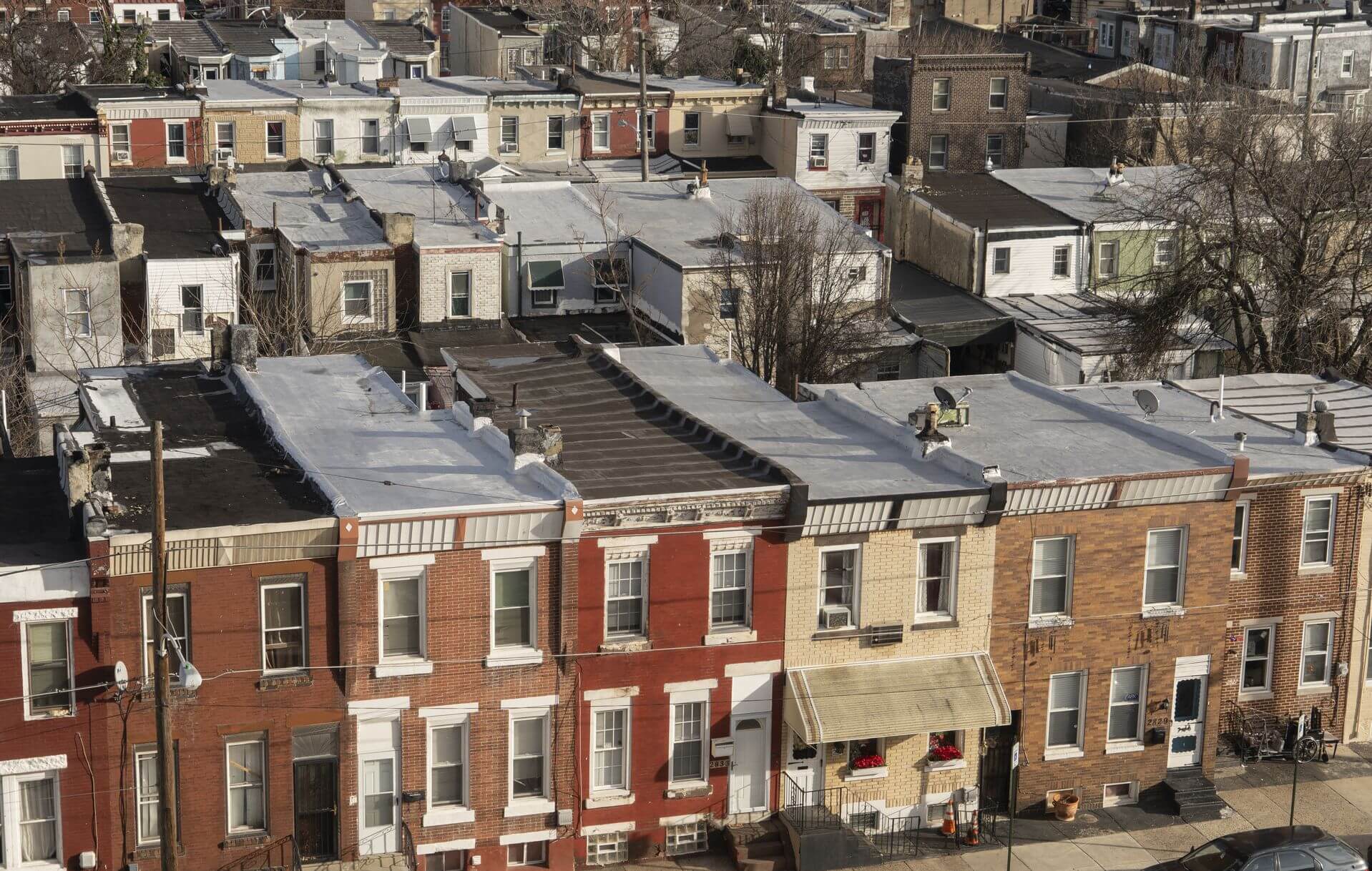
City Commits to Preserving 925 Affordable Rental Homes in West and Southwest Philly
Philadelphia is taking steps to preserve affordable rental homes in West and Southwest Philadelphia as affordability requirements on hundreds of units are set to expire. The city is prioritizing 225 homes whose affordability restrictions have already expired or will expire within the next three years.

HAPCO Philadelphia | Case Update — The Court Sets the Road to Resolution
HAPCO Philadelphia | Case Update — The Court Sets the Road to Resolution
Floyd & Hadley v. City Council of Philadelphia | July 2026
Dear HP Community,
Quick update on our lawsuit challenging Bills 250329 and 250330. The court has now set the schedule that carries this case toward resolution, and it ordered the two sides to the settlement table. Here’s what that means for you.
Where We’ve Been
You’ve followed this from the start: what looked like a rushed, closed-door process at Council; the fast court order forcing the City to comply with the Sunshine Act and the Home Rule Charter; the contempt fight; the City’s attempt to escape to federal court; and the expansion of the case into constitutional and property-rights claims that kept it alive after the bills passed. Along the way, the pressure of this litigation already won housing providers real, concrete revisions to the bills. Here’s the new updates.
The June 25 Conference — What Happened
On June 25, 2026, the federal court held a case-management conference. This is the stage where a court decides whether a case moves forward or gets disposed of — and the court chose forward. Two things came out of it:
• A full schedule into 2027. The court established a discovery and case-management schedule that extends into early 2027. That means both sides are ordered to exchange documents, information, and evidence about how these bills came to be and how they affect Philadelphia’s housing providers and renters.
• An order to the settlement table. The court referred the case to a Magistrate Judge to schedule a settlement conference after July 15, 2026. In other words, the court is actively steering the parties toward a negotiated resolution.
Neither of those is what a court does when it plans to throw a case out. A year-long schedule and a court-ordered settlement conference are what a court does when it takes the claims seriously and wants results. That’s exactly the posture we want to be in.
What Comes Next
Between now and the settlement conference, our counsel will file an amended complaint tailored to the enacted bills and continue pressing discovery. The bills take effect November 1, 2026, so the timing of this settlement window matters. We’ll keep you posted at every meaningful step — and we’ll get you compliance guidance ahead of November 1 so you’re covered no matter how the timeline plays out.
Help Us Finish Strong
This is the stretch that counts. The litigation runs entirely on the Legal Action Fund, and heading into a court-ordered settlement process, every contribution strengthens our ability to hold the line and push for a real win. If you own rental property in Philadelphia, these bills reach you — a single duplex or a full portfolio, this is your fight.
Support the fund at hapcophiladelphia.com/legal-action-fund, or call us at 215.684.1684. Let’s bring this home together.
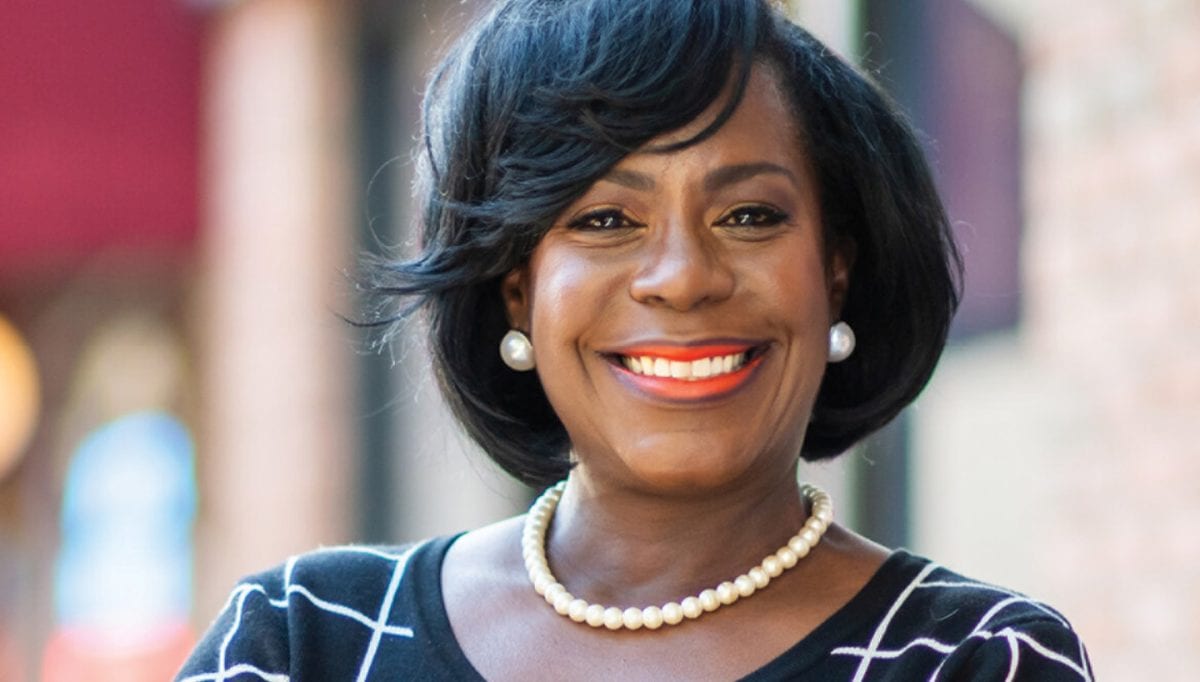
Bartram Village Redevelopment Moves Forward After Emergency Action
A recent Philadelphia Inquirer report explains that vacant buildings at Bartram Village in Southwest Philadelphia were taken over by squatters and suffered significant damage, contributing to unsafe conditions across the site. In response, Mayor Cherelle Parker declared a public safety emergency to speed up the process of clearing and demolishing the remaining structures. The Philadelphia Housing Authority will now move forward with redevelopment of the site into a mixed-income community with hundreds of new housing units, including affordable homes.
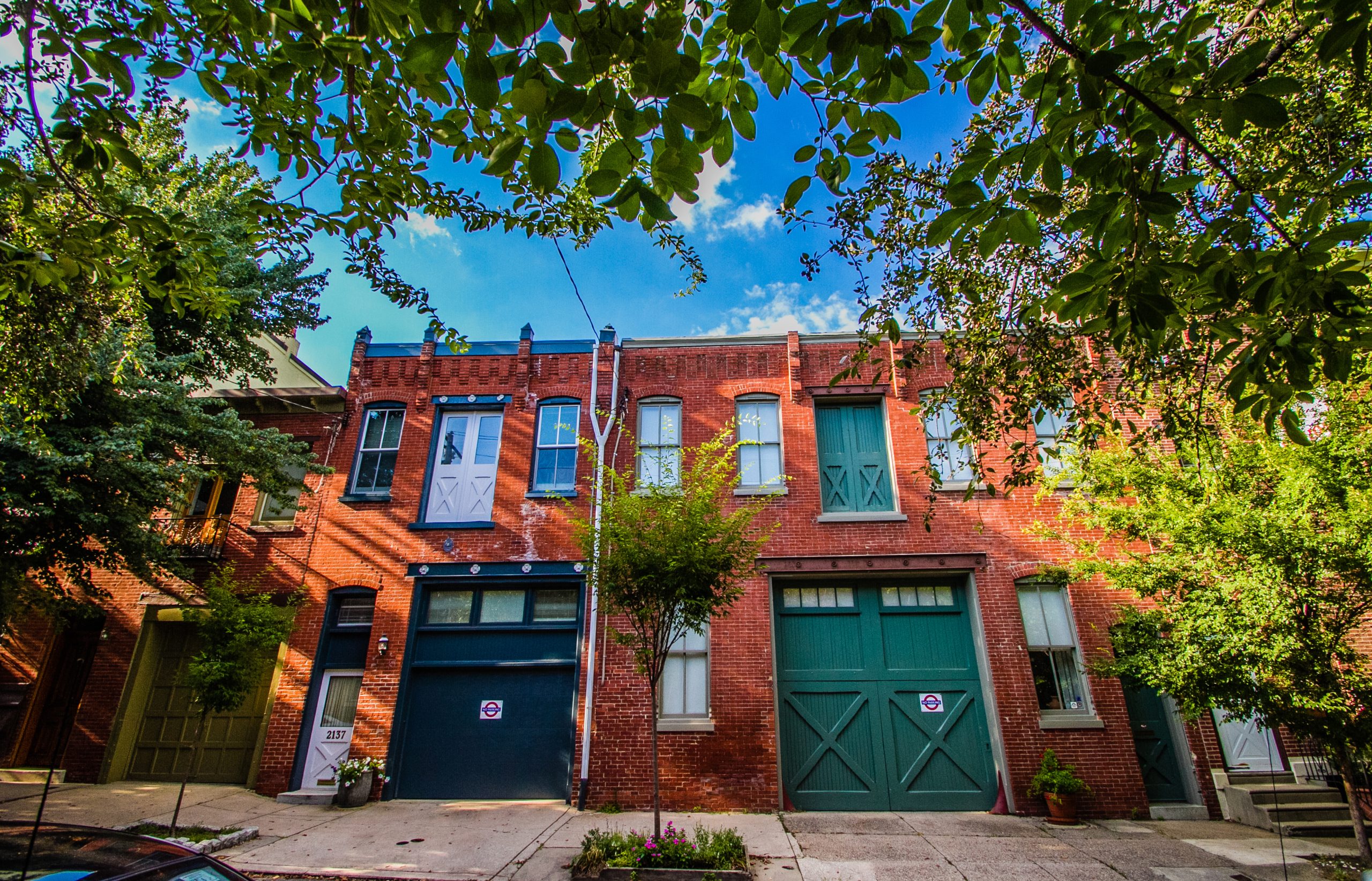
Philadelphia Housing Market Shows Fewer Price Cuts and Canceled Contracts Than Many Major Cities
Recent data shows the Philadelphia-area housing market has fewer price reductions and canceled contracts compared to many other major U.S. metros, indicating a comparatively steadier spring market.