

PHA Releases RFP for VASH Project‑Based Vouchers
The Philadelphia Housing Authority (PHA) has issued an RFP for VASH Project‑Based Vouchers (PBVs) to expand stable, service‑supported housing for Veterans experiencing homelessness in Philadelphia. PHA is seeking qualified owners and developers interested in partnering with PHA and the local VA Medical Center to provide high‑quality units supported by VA case management and clinical services.
VA Priority Preferences Include:
• Senior housing or developments serving single, non‑elderly Veterans
• Strong preference for one‑bedroom units
• Existing, move‑in‑ready units to support rapid lease‑up
• ADA‑compliant units, first‑floor/no‑step entries, and elevator access
• Scattered‑site units and rowhomes are not preferred
Mandatory Virtual Pre‑Proposal Conference:
Friday, February 13, 2026 at 11:00 a.m. (WebEx)
RSVP: Jacquelyn.DiBruno@pha.phila.gov
Full RFP materials and submission instructions are available at [www.pha.phila.gov]www.pha.phila.gov under Business Opportunities.
RFP submissions are due March 6, 2026 at 11:00 a.m.


Safe Healthy Homes Public Hearing Rescheduled – Originally February 10, 2026
The public hearing on Councilmember O’Rourke’s Safe Healthy Homes bills, originally scheduled for February 10 at 10:00 AM, has been rescheduled. A new date and time have not yet been confirmed. We will share updates as soon as the hearing details are available.
Housing providers interested in testifying at the hearing will have the opportunity once it is rescheduled. If you are interested in participating, please contact us at hapcooffice@hapcophiladelphia.com.
We’ll keep the community updated as soon as the new hearing information is set.

Safe Healthy Homes Bills Update – What Rental Property Owners Need to Know
Councilmember Nicolas O’Rourke’s Safe Healthy Homes bills will go before City Council on February 10 at 10:00 AM in Room 400 at City Hall.
Because these measures could substantially affect rental property owners, we encourage housing providers to testify and ensure their real-world experiences are part of the discussion.
If you are willing to testify, you must email mary.jones@phila.gov directly with your name, email address, and phone number. Please use the attached sample format for guidance. Feel free to reach hapcooffice@hapcophiladelphia.com if you have any questions. Make sure to mention in the email that you are a housing provider. You do not have to be a Hapco member to participate.
Below is the most up-to-date legal analysis of the bills from Paul Cohen, Esq., Hapco Philadelphia’s legal counsel:
- This bill allows for good-cause eviction to apply to all tenancies, not just for tenancies under one year. Note that the law regarding good-cause evictions only for tenancies under one year was previously negotiated and agreed to by the various landlord organizations, tenant organizations and City Council. It is disingenuous to now change what was already agreed to as a compromise.
- Providing for an abatement of rent for any period during which rent was collected and the owner was noncompliant as defined in Section 9-3903. Note that noncompliance is defined as the failure to obtain or maintain a valid rental license or Certificate of Rental Suitability as required or whose rental license has been suspended. This is contrary to well established legal precedent.
- Requiring the owner provide notice to the tenant of any notice of an L&I violation or rental license suspension within seven (7) days of receipt thereof, even though the owner has thirty (30) days to take an appeal.
- Authorizing the Department to establish a proactive inspection program is too open-ended. The Department can be authorized to “recommend” an inspection program that should then be vetted and approved.
- Placing the burden of proof on the rental property owner to prove there was compliance with the requirements for issuance of a Certificate of Rental Suitability. If the tenant raises this as a defense, the burden of proving that defense should be on the tenant.
- Licenses should be effective from the date of application of the license, not the date specified on the license. There are times when owners are unable to get a license because of an issue with L&I, eClipse, a delay in processing, or some other reason that is beyond the owner’s control. In those instances, the owner should not be denied the right to collect rent since the delay is not their fault.
- Minor notices of violation should not prevent an owner from obtaining a license. Only habitability or life-threatening violations should apply.
- If an owner loses an appeal from a violation, they should be given an opportunity to correct the violation or take a further appeal before their license is suspended.
- The owner should not have to obtain another Certificate of Rental Suitability at any time. This is contrary to the law as it is written and was agreed to in a Consent Decree between the landlord and tenant organizations and the City.
- The owner should not have to “attest” to the Department and the tenants regarding the condition of the property. This language was specifically negotiated and agreed to in a consent decree that was issued between the landlord and tenant organizations and the City.
- If an owner’s rental license is suspended or revoked, what is the procedure for the owner to get their rental license reinstated?
- The law regarding the warranty of habitability and the available remedies for a breach thereof has been well established in Pennsylvania since Pugh v. Holmes, in 1978. There is no need to rewrite the law. Moreover, this bill is not a “codification” of the existing law. The requirements in the bill are unrealistic and the penalties are extreme. It will end up putting many good landlords out of business and will make it almost impossible for a small landlord to stay in business.

Safe Healthy Homes Bills Explained – How You Can Testify on Feb. 10!
Safe Healthy Homes Bills Hearing – February 10 at City Hall
The Safe Healthy Homes bills, presented by Nicolas O’Rourke, will be shared at a hearing on February 10 at 10:00 AM at City Hall, room 400. These are the amended bills they hope to pass, and they could have a significant impact on your business as a housing provider.
We encourage you to testify in person and share your voice with the city. City Council is limiting the hearing to two and a half hours, and each person who testifies will have two to three minutes to speak. Please reach out to hapcooffice@hacophiladelphia with your name, email address and phone number if you are willing to testify. You do not have to be a Hapco member in order to participate.
We recommend everyone to watch this video where Paul Cohen, Esq., explains the bills and what each provision could mean to rental property owners and our community.
- Making good-cause eviction for all tenancies, not just for tenancies under one year
- Providing for an abatement of rent if the rental property owner has not provided the tenant with a rental license or certificate of suitability
- Requiring the landlord to provide notice to the tenant of any L&I violation or failure to obtain a license
- Having a proactive inspection program; and
- Placing the burden of proof on the rental property owner
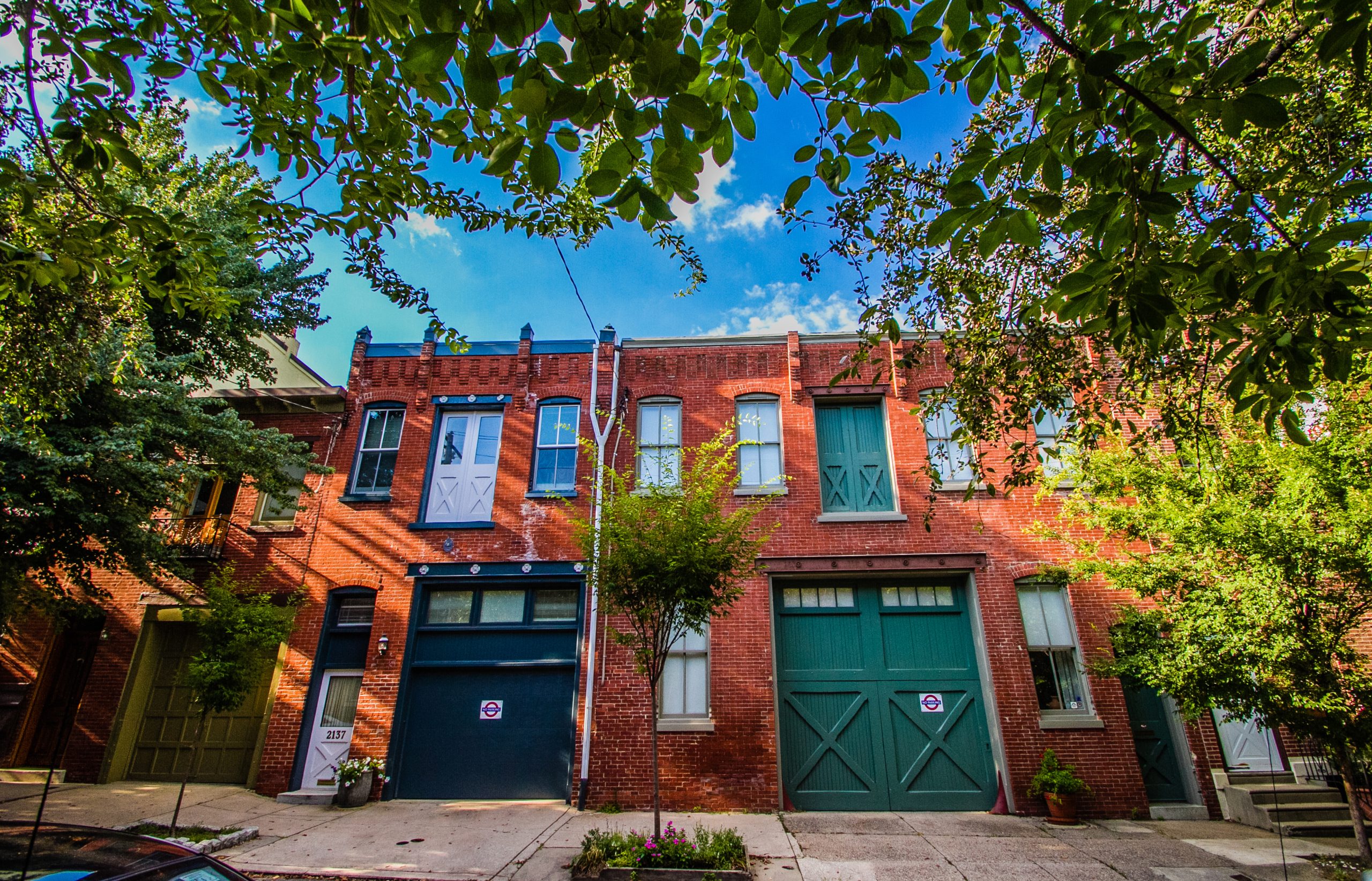
Philadelphia Metro Named One of the Nation’s Hottest Housing Markets for 2026
Zillow’s latest housing market forecast places the Philadelphia metropolitan area among the top 10 hottest U.S. real estate markets for 2026, ranking it near the top based on factors like home value growth and competitive buyer demand. With inventory remaining tight and demand outpacing supply, homes in our region are selling quickly, putting sellers in a strong position and showing the continued strength of the Philly housing market.

Everyone Is Kind of Stuck’: What Philly’s 2026 Housing Outlook Means for Landlords
With elevated prices and borrowing costs keeping both renters and homeowners in place, Philadelphia’s tight housing market underscores ongoing affordability pressures that affect landlords, tenants, and investors alike.